





The Collision at La Guardia
April 1, 2026
So far I haven’t had much to say about the deadly collision at La Guardia airport on March 22nd, when a Jazz Aviation (operating as Air Canada Express) regional jet collided with a fire truck seconds after touching down. The truck had been cleared by air traffic control to cross the active runway.
The most obvious question is why the controller permitted the truck to cross. How did he forget, or not notice, that the RJ was, at that moment, barreling down the same runway? The airport was busy and the tower had been dealing with a different flight declaring an emergency. Maybe that explains a few things, but how is it, in a time of high workload and high distraction, that a single controller is empowered to make a life-or-death decision without a second controller’s scrutiny, especially at night?
ATC understaffing, I’m sure, has a role here. Otherwise, as a pilot-pundit I’m supposed to have answers. I’m afraid I don’t.
What I can tell you, though, is only a few days before the accident I’d remarked to a friend about how the proliferation of vehicles at busy airports felt unsafe to me. Not so much the myriad cars, trucks, and tugs that work the inner ramps, shuttling around luggage and whatnot, but the ones with authorization to operate on active runways and taxiways. These include airport maintenance vehicles, plows, emergency vehicles, and so on.
What training do these drivers receive? Listening over the radio, I sometimes shake my head. Their clearance read-backs, for instance, often sound tentative or uncertain. What sort of situational awareness do they have? In the cockpit, pilots listen out not only for the own instructions, but for those of other aircraft as well, allowing us to paint a mental picture of the movement around us. The importance of this would seem self-evident, but does the man or woman steering a fire truck think this way too?
And couldn’t the driver have seen the regional jet? A pilot will never cross a runway without double-checking, visually, for oncoming traffic. This isn’t possible in low visibility, but most of the time it is. The weather at LGA wasn’t great, but it wasn’t terrible either. As a motorist who’s been broadsided at intersections knows, putting your trust in a stoplight isn’t enough. You don’t cruise through a green without double-checking that someone isn’t running the red. Was the driver’s view obstructed, or did he merely take the controller’s word that the runway was safe?
And what of the Jazz pilots? It’s possible they heard the controller issuing that ill-fated crossing clearance. But they were already on the ground with only a few seconds to react.
The plane hit the truck straight on, nose-first, and both pilots were killed. Everyone else survived. It’s interesting to note that had the pilots swerved to avoid the collision, the point of impact would probably have been closer to the plane’s midsection, or even at the wing root, resulting in an explosion and many more deaths.
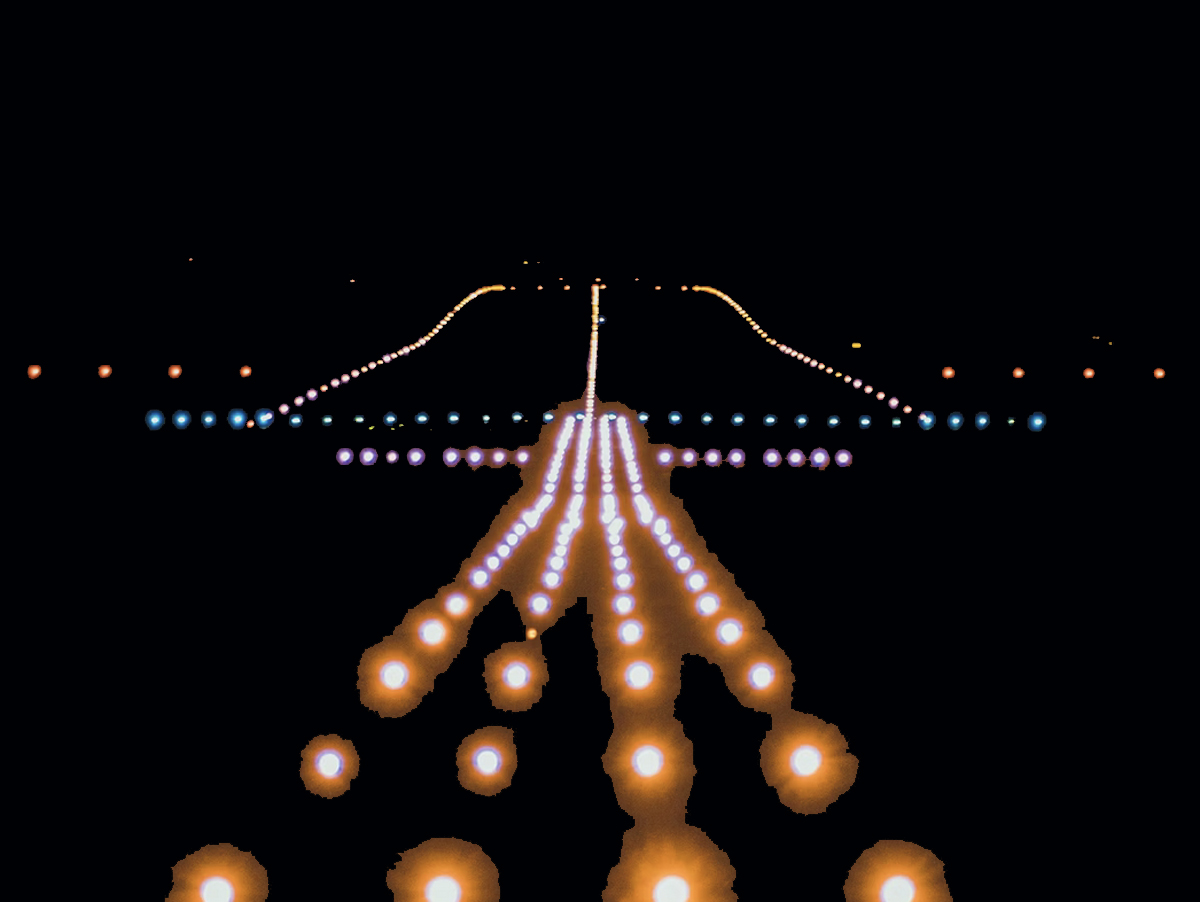
Photo by Jordi Moncasi, courtesy of Unsplash.

Leave a Comment
Maximum 1500 characters. Watch your spelling and grammar. Poorly written posts will be deleted!